
Driven by the global wave of carbon neutrality and the upgrading of energy demand in the Association of Southeast Asian Nations (ASEAN), Malaysia is undergoing a strategic transformation from "fossil energy dependence" to a "green energy hub". The National Energy Transition Roadmap (NETR) released in 2023 clearly sets a target of 70% renewable energy in power generation by 2050, accompanied by a RM300 billion energy infrastructure investment plan, which has spawned diverse market opportunities. Below is an in-depth analysis of seven core market opportunities from three dimensions: policy adaptation, technology implementation, and industrial synergy.

I. Distributed Solar Energy: Policy Relaxation Activates a Trillion-Ringgit Civilian Market
Malaysia enjoys over 2,000 hours of annual sunshine, providing natural advantages for the development of distributed photovoltaic (PV) systems. The "Green Electricity Procurement Surcharge Exemption" policy implemented in August 2025 has reduced electricity purchase costs for industrial users by 5%-10%, directly stimulating three categories of market demand:
ⅰ.Industrial and Commercial Rooftop PV: After the commissioning of the 40MW solar system at the Selangor Smart Industrial Park, more than 20 enterprises have saved over RM8 million in annual electricity costs, driving high-energy-consuming industries such as data centers to accelerate deployment. Bridge Data Center is currently constructing an 110MW PV-storage project with 1.5GWh of energy storage to ensure green power supply. It is estimated that 300-400MW of new PV installed capacity will be added in the second half of 2025, with industrial and commercial projects accounting for over 60%.
ⅱ.Residential Rooftop Leasing Model: Residents in Penang's flat communities receive RM1,500 in annual rent through rooftop leasing, forming a "resident-grid-community" electricity circulation system. Currently, over 100 households are participating, and the model is expanding to schools and commercial areas. After adopting the net energy metering model, fishermen in Terengganu have seen their average monthly electricity bills drop from RM180 to RM50, promoting the penetration of this model into agricultural areas.
ⅲ.Behind-the-Meter Electricity Sales Commercialization: Policy exemptions have increased the internal rate of return (IRR) for solar developers by 0.8-1.2 percentage points, triggering explosive growth in direct power purchase agreements (PPAs) between enterprises. Sarawak plans to build a "Green Tariff Corridor" to provide competitive electricity prices for industrial zones, and it is expected that cross-border behind-the-meter electricity sales projects will account for 15% of the market by 2026.
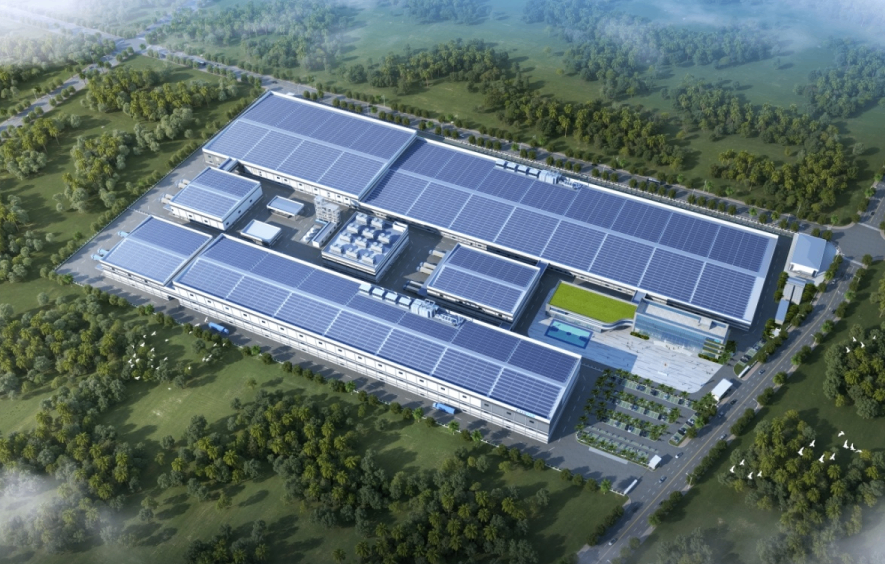
II. Energy Storage Systems: A High-Growth Track Driven by Both Policy and Demand
Malaysia's electricity demand grows at an annual rate of 5%, with industrial electricity consumption accounting for 48%. The intermittency of renewable energy has forced the expansion of the energy storage market. In 2023, energy storage installed capacity reached 80MW/160MWh, and it is projected to hit 350MWh by 2025, with a compound annual growth rate (CAGR) of 45%. Significant opportunities exist in three segments:
ⅰ.Grid-Scale Energy Storage: Tenaga Nasional Berhad (TNB), Malaysia's national energy company, has led a 200MWh energy storage tender, with international enterprises such as Fluence winning 30MW/60MWh projects. With the upcoming release of the Energy Storage Market Operation Framework, independent energy storage operators will be allowed to participate in electricity trading, and the frequency control auxiliary service (FCAS) revenue model is expected to be implemented.
ⅱ.Industrial and Commercial Backup Power: Data centers and semiconductor factories have strong demand for high-reliability power, driving the backup power market to grow at 15% annually. Huawei Digital Energy has signed a contract for a 50MWh PV-storage project at a Penang data center, demonstrating the commercial viability of the "PV + energy storage" bundled model.
ⅲ.Second-Life Utilization of EV Batteries: Malaysia's electric vehicle (EV) sales grew by 200% in 2023, and the country plans to build 10,000 charging stations by 2030, highlighting the potential of retired battery recycling. ReGen Strategic has partnered with SK Innovation to develop community energy storage applications, and it is expected that second-life batteries will account for 30% of the energy storage market by 2030.
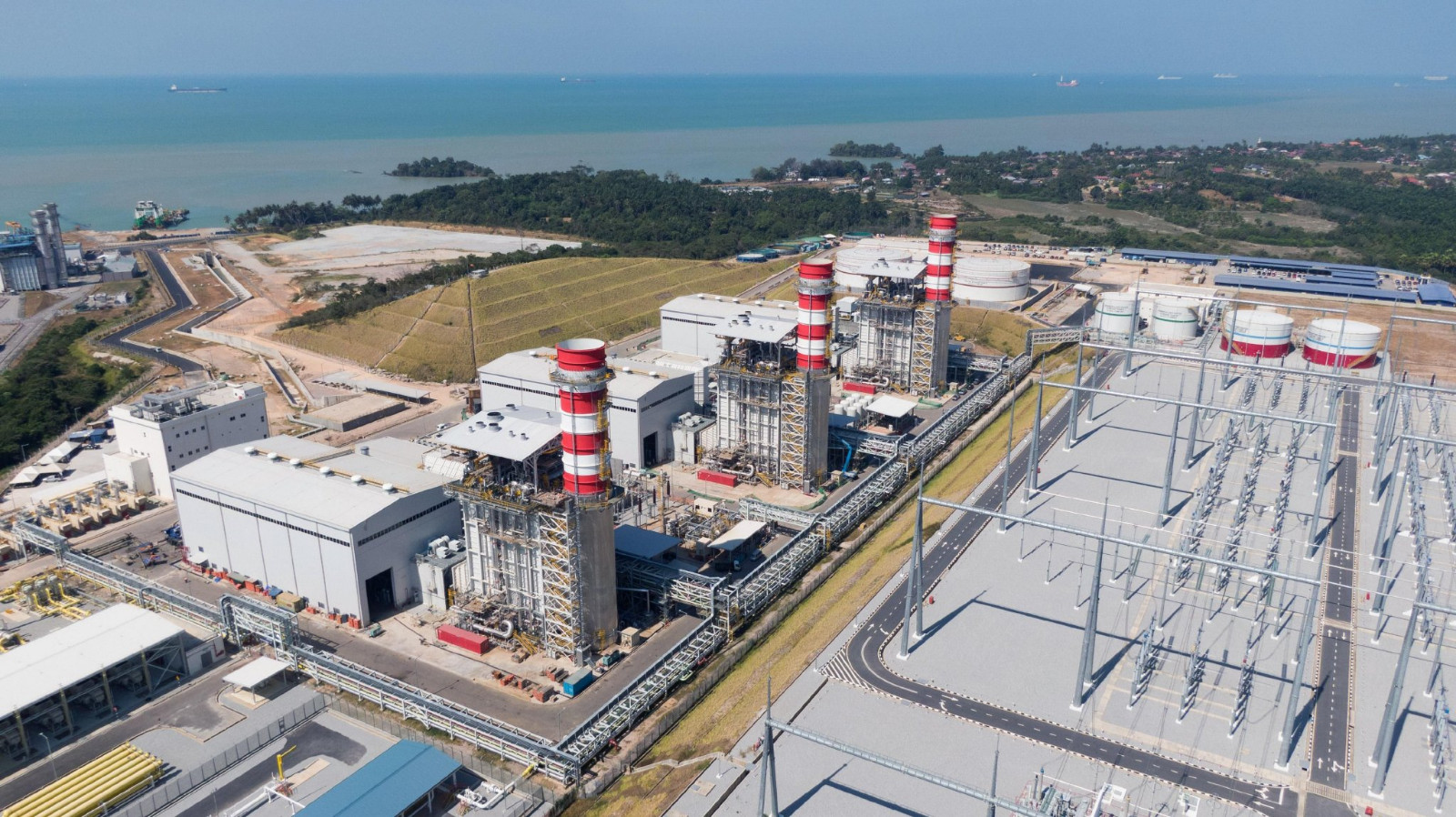
III. Green Hydrogen Industry: Cross-Border Corridor Construction Opens Up International Markets
Leveraging its natural gas resources and renewable energy potential, Malaysia is positioning itself as an ASEAN hydrogen hub. The Renewable Hydrogen Roadmap is scheduled to be released in 2026, with a planned investment of RM12 billion, focusing on two key directions:
ⅰ.Green Hydrogen Production Bases: Sarawak, relying on its abundant hydropower resources, plans to build large-scale green hydrogen production facilities, aiming to achieve an annual capacity of 50,000 tonnes by 2030. The local "Green Tariff Corridor" policy can reduce the operating costs of electrolyzers, attracting enterprises such as Petronas to participate in project development.
ⅱ.Cross-Border Energy Corridors: The first cross-border green hydrogen corridor will be built along the Johor-Singapore Rapid Transit route, targeting green hydrogen demand in Singapore's chemical and transportation sectors. This "produced in Malaysia, consumed in ASEAN" model is expected to replicate the success of European hydrogen corridors and form a 100-billion-ringgit cross-border trade market.

IV. Smart Grid Upgrades: Grid Resilience Needs Drive Technological Iteration
Malaysia's existing power grid is dominated by traditional architectures, and the integration of high-proportion renewable energy urgently requires intelligent transformation. Data from the Energy Commission of Malaysia shows that industrial losses caused by grid failures exceeded RM2 billion in 2023, spurring three key upgrade needs:
ⅰ.Distribution Automation Transformation: Industrial and commercial clusters in Peninsular Malaysia need to prioritize the deployment of smart meters and feeder automation systems. It is estimated that related investments will exceed RM50 billion between 2026 and 2030. Enterprises such as Huawei and Siemens have entered the market through partnerships with TNB.
ⅱ.Microgrid Commercialization: Remote areas such as Sabah and Sarawak have weak grid coverage, creating urgent demand for community microgrids. The PV system for fishermen in Terengganu has already realized the model of "self-consumption with surplus power fed into the grid", which can be replicated in agricultural parks and island communities.
ⅲ.Virtual Power Plant (VPP) Operation: Start-up SOLS Energy has integrated distributed energy storage resources to participate in demand response, verifying the feasibility of the VPP business model. With the advancement of electricity market reform, VPPs are expected to become a core force in grid peak shaving.
V. Biomass Energy Development: Converting Agricultural Resources into Energy Dividends
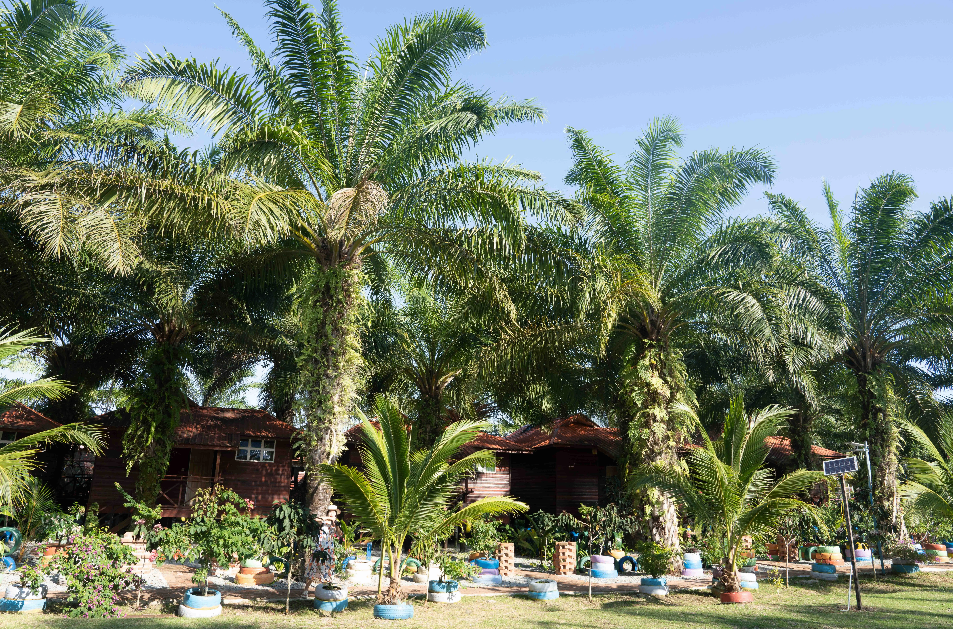
As a major palm oil producer, Malaysia generates over 20 million tonnes of agricultural waste annually. Biomass energy installed capacity has exceeded 1.1GW, and the country plans to add another 1.5GW in the next decade. Market opportunities are concentrated in two areas:
ⅰ.Palm Oil Waste Power Generation: Johor's palm oil plantations have piloted "PV + biomass" complementary projects, with each hectare receiving RM50,000 in government subsidies. Such projects not only solve waste disposal issues but also generate additional revenue through carbon credit trading.
ⅱ.Biogas Purification: Sarawak is rich in forestry waste, and biogas purification projects can be connected to the existing natural gas pipeline network. Petronas has launched a CO₂ reinjection project in natural gas fields, providing technical support for biogas grid integration.
VI. Green Transportation Infrastructure: The EV Wave Spawns Full-Industry-Chain Opportunities
Malaysia's Low-Carbon Energy Transition Roadmap identifies transportation electrification as a core task, with a target of 1 million EVs on the road by 2030, driving growth in three markets:
ⅰ.Charging Network Construction: The government plans to launch a public tender for 500 fast-charging stations, prioritizing deployment along highways and in industrial zones. BYD has partnered with local consortium Sime Darby to develop charging pile production, and a 30% localization rate qualifies for tax incentives.
ⅱ.EV Battery Manufacturing: The Iskandar Puteri Free Trade Zone in Johor exempts import duties on lithium battery raw materials, attracting enterprises such as CATL to establish factories. It is expected that local battery production capacity will exceed 5GWh by 2026, meeting 15% of Southeast Asia's demand.
ⅲ.Hydrogen Transportation Pilots: Kuala Lumpur has launched a demonstration project with 100 hydrogen fuel cell buses, and Penang Port plans to deploy hydrogen-powered port equipment. With the completion of cross-border green hydrogen corridors, the market for hydrogen heavy-duty trucks and ships is expected to launch simultaneously.
VII. Carbon Management Services: Policy Compliance Spurs Demand for Professional Market Services
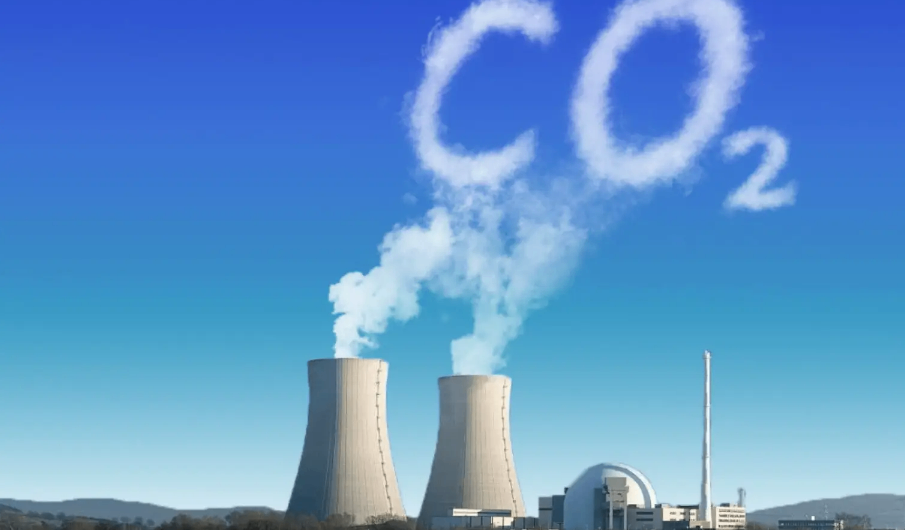
Malaysia launched its national carbon market pilot in 2024, requiring high-emission enterprises to achieve online carbon emission monitoring by 2026, creating a 100-billion-ringgit carbon management market:
ⅰ.Carbon Accounting and Verification: Seven high-emission industries, including power, chemicals, and palm oil processing, are required to conduct annual carbon accounting. Local enterprises such as Chemsain have partnered with international institutions to launch integrated verification services.
ⅱ.CCUS Technology Application: The Kuantan Industrial Park in Pahang has launched a 1-million-tonne-level carbon capture, utilization, and storage (CCUS) demonstration project, aiming for commercial operation by 2030. Petronas' offshore CO₂ reinjection project has an annual storage capacity of 500,000 tonnes, driving demand for capture equipment and storage technology imports.
ⅲ.Carbon Financial Instruments: Islamic bonds (Sukuk) are already used for green project financing, and carbon futures and carbon funds are expected to be launched in the future. Institutions such as Standard Chartered Bank are developing carbon credit pledge loan products for small and medium-sized enterprises (SMEs).
Conclusion: Strategic Adaptation Behind Opportunities
Malaysia's energy transition opportunities feature both policy certainty and market growth potential, but three challenges must be addressed: standard differences caused by state-level energy autonomy, technical adaptation requirements in high-temperature and high-humidity environments, and compliance thresholds such as Bumiputera equity ratio restrictions. Enterprises should adopt a strategy of "policy anchoring + localized cooperation + technological innovation"—prioritizing deployment in policy highlands such as Sarawak and Selangor, collaborating with government-linked enterprises like TNB to secure resources, and developing adaptive technologies such as corrosion-resistant energy storage systems and tropical PV modules. With the advancement of ASEAN energy integration, enterprises that lay out early in Malaysia will seize core nodes in the regional green supply chain.

 Home
Home  Message
  Phone
Phone